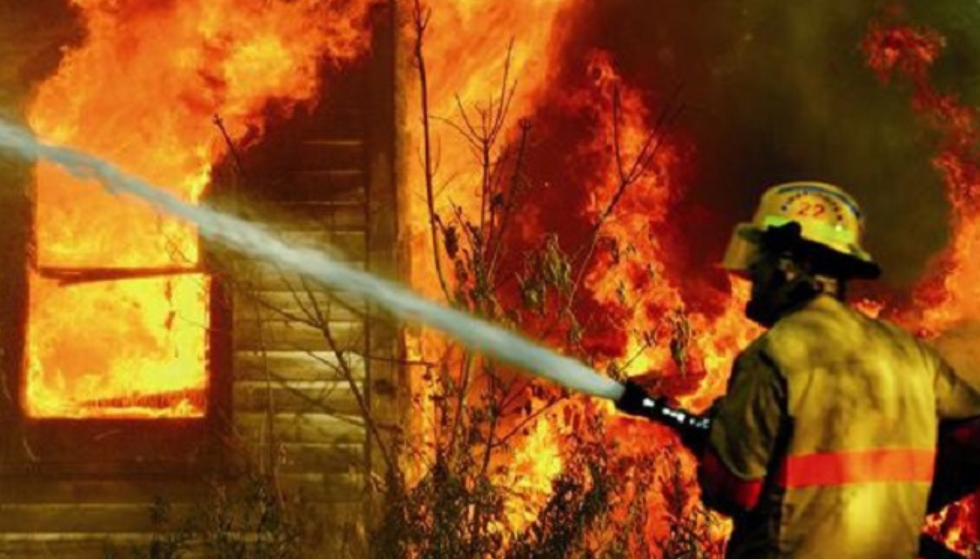
Fire is one of the most dangerous threats to life and property, and it can occur unexpectedly in any workplace or building. Conducting a Fire Risk Assessment is a critical step in preventing fire incidents and ensuring safety for everyone on the premises. This assessment identifies potential fire hazards, evaluates risks, and establishes measures to control and reduce fire-related dangers.
Understanding Fire Risk Assessment
A Fire Risk Assessment is a systematic evaluation process designed to identify fire hazards and determine the level of risk associated with them. It helps organizations comply with legal obligations while protecting employees, visitors, and assets. This assessment is not a one-time activity; it requires regular review and updating to account for changes in the environment, processes, or occupancy.
Key Objectives of a Fire Risk Assessment
The main goals of a fire risk assessment include:
- Protecting Human Life: Ensuring the safety of employees, visitors, and contractors by minimizing the chances of injury or death during a fire.
- Preventing Property Damage: Reducing the potential loss or damage to buildings, equipment, and inventory.
- Ensuring Legal Compliance: Meeting fire safety regulations and avoiding penalties or legal consequences.
- Improving Preparedness: Establishing clear procedures and safety measures to respond effectively to fire emergencies.
- Supporting Insurance Policies: Providing documentation that may be required by insurers for coverage.
See also: Blue World City & Islamabad Airport: Analyzing Commute
Steps to Conduct a Fire Risk Assessment
A fire risk assessment involves a structured approach that covers all aspects of fire safety:
1. Identify Fire Hazards
The first step is to locate all potential sources of ignition, fuel, and oxygen. Examples include:
- Electrical wiring, appliances, and machinery
- Flammable liquids, gases, and chemicals
- Combustible materials such as paper, textiles, and wood
- Heating equipment, cooking appliances, and open flames
2. Identify People at Risk
It is important to recognize who might be at risk in the event of a fire. This includes:
- Employees and staff members
- Visitors and customers
- Contractors and maintenance personnel
- Vulnerable individuals such as children, elderly people, or persons with disabilities
3. Evaluate the Risks
After identifying hazards and people at risk, the next step is to evaluate how likely a fire could occur and what the consequences might be. This helps determine the necessary preventive and protective measures, such as:
- Installing smoke detectors and fire alarms
- Providing accessible fire extinguishers
- Implementing proper storage for flammable materials
- Maintaining clear and marked emergency exits
4. Record Findings and Actions
Documenting the assessment is critical. Records should include:
- Identified hazards
- Individuals at risk
- Control measures already in place
- Recommendations for additional safety improvements
5. Review and Update Regularly
Fire risk assessments should be reviewed periodically or when changes occur, such as:
- Alterations to building layout or structure
- Introduction of new equipment or hazardous substances
- Changes in occupancy or workforce
- Updates to fire safety laws and regulations
Fire Prevention Measures
A comprehensive fire risk assessment often results in implementing various safety measures, including:
- Fire detection systems such as smoke alarms and heat sensors
- Fire suppression systems, including sprinklers and extinguishers
- Clearly marked and unobstructed emergency exits
- Regular fire drills and training for staff
- Safe handling and storage of flammable materials
- Electrical safety inspections and maintenance
Benefits of Fire Risk Assessment
Conducting a fire risk assessment provides multiple benefits:
- Minimizes the likelihood of fire outbreaks
- Enhances safety awareness among employees
- Reduces potential damage to property and equipment
- Ensures legal and regulatory compliance
- Improves emergency preparedness and response
Common Mistakes to Avoid
When conducting a fire risk assessment, organizations often make common mistakes that can undermine safety:
- Neglecting to identify all potential hazards
- Failing to consider vulnerable individuals
- Ignoring regular review and updates
- Insufficient staff training on fire procedures
- Overlooking maintenance of fire safety equipment
Conclusion
A Fire Risk Assessment is a vital component of any safety strategy. By identifying hazards, evaluating risks, and implementing preventive measures, organizations can protect lives, reduce property damage, and ensure legal compliance. Regular assessments, staff training, and effective emergency planning are essential to maintaining a safe environment. Fire safety is an ongoing responsibility, and proactive measures can prevent disasters before they occur.